
80 Registrants from 16 Nations Attend Webinar Wednesday

The March edition of the IRF’s monthly webinar drew more than 80 participants from 16 countries. Attendees benefited from a thorough presentation by Dan Lukasik, Delcan Corporation divisional vice president of product development, on the concept of Integrated Corridor Management.
Throughout the world, the great majority of current transportation networks consist of multiple independent systems administered by various independent agencies, and until recently, efforts to manage these networks to improve mobility, safety and reliability have focused on optimizing each individual system. The limitation with this approach is that the independent transportation systems — freeways, public transit, local arterial roads — do not have the capacity to respond to demands from other networks. Another limitation is the application of Advanced Transportation Management Systems, which have typically been re-active systems designed to detect adverse traffic conditions (e.g. a traffic incident or recurring traffic congestion), verify the situation and provide a response in reply.
To help address these challenges, various transportation agencies are implementing the concept of Integrated Corridor Management with the vision that metropolitan areas will realize significant improvements in the efficient movement of people and goods through aggressive, proactive integration of existing infrastructure along major transportation corridors. This webinar provided an overview of two different ICM projects: The San Diego I-15 ICM project and the I-80 ICM project in California’s bay area.
The 90-minute presentation covered: • The latest concepts to manage all roads and modes together • The importance of intelligent decision support systems for proactive ICM deployments • How to understand the latest
concepts in pro-active traffic management, including: Network Traffic Prediction Systems and Real-time Microsimulation Subsystems
Mr. Lukasik has 24 years of experience in the design and implementation of ITS systems used for managing freeway and arterial roadway networks, as well as transit systems. He is experienced in the design and deployment of advanced ITS technologies, ITS communication networks, field infrastructure, transportation management centers and, in particular, the deployment of Advanced Transportation Management System software. Mr. Lukasik is a member of the TRB Subcommittee on Active Traffic Management, Vice-Chair of ITS California and an active participant with the TRB Freeway Operations Subcommittee.
Register for the IRF’s April 24 Webinar on Free Flow Tolling IRF webinars are complementary for members, $129 for non-members, and $19 for students. A recording of the webinar and a PDF of the presentation are available to attendees upon request.
Related Posts
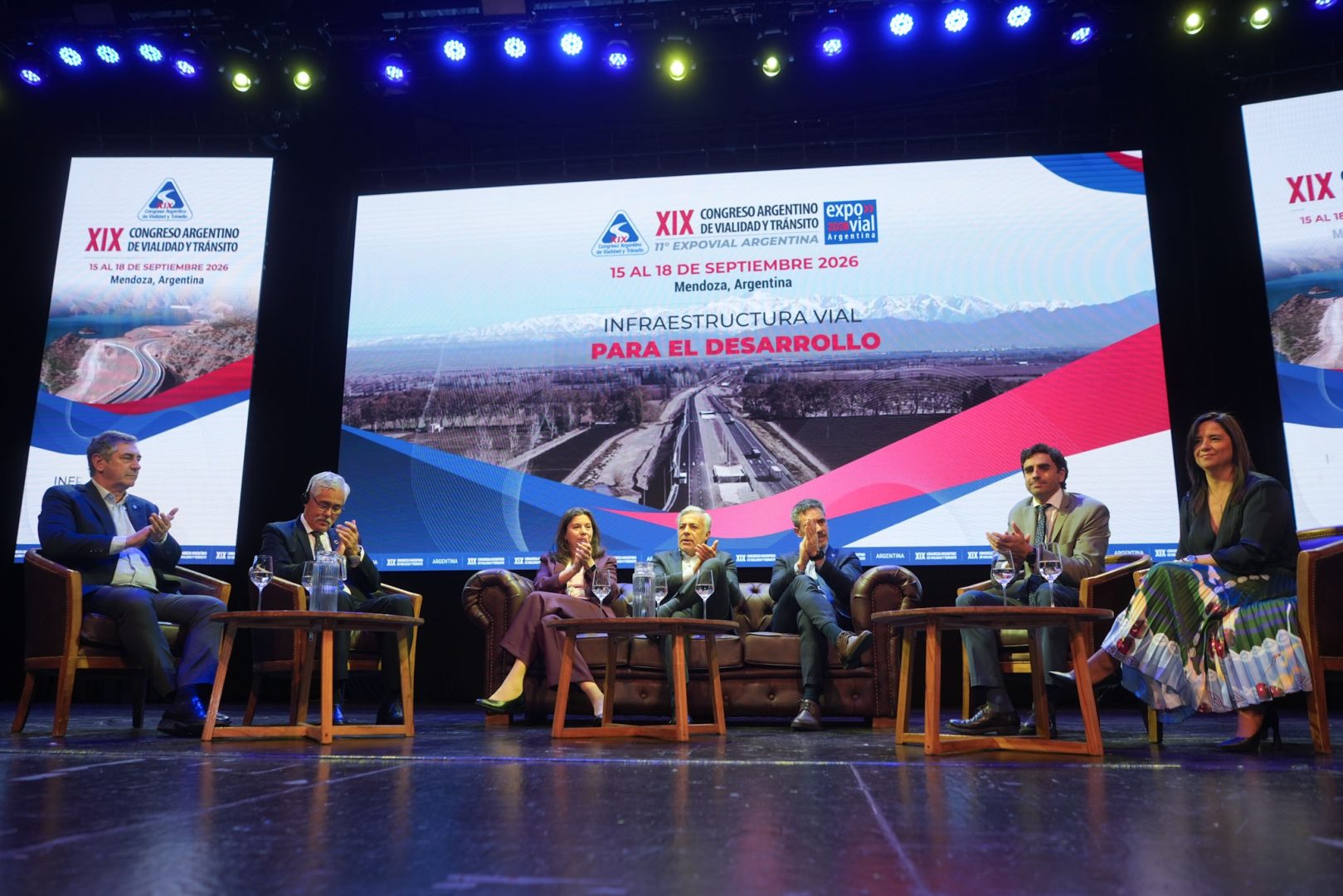
The International Road Federation (IRF Global) concluded the 7th IRF Latin America Regional Congress & Exhibition in Mendoza, Argentina, bringing together more than 1,000 delegates from across Latin America and beyond for four days of high-level dialogue, technical exchange, innovation, and collaboration on the future of roads and mobility.

The International Road Federation (IRF Global), in partnership with the Nigerian Institution of Highway and Transportation Engineers (NIHTE), delivered its IRF Certified Training on “AI Applications for Road Management” in Abuja from August 10–13, 2026.

The International Road Federation (IRF Global) has successfully concluded the 13th IRF Caribbean Regional Congress, bringing together government leaders, road agencies, engineers, development partners, researchers, and industry professionals from across the Caribbean and beyond for four days of technical exchange, strategic dialogue, and regional collaboration.