

Leipzig, May 21, 2025 – At the 2025 ITF Summit, IRF Global hosted a high-level Open Stage Café session exploring the future of infrastructure funding under the title “Smart Road Pricing: Strengthening Transport Resilience through Innovation, Digitalization, and Cooperation.” The session brought together international voices to examine how nations can address growing fiscal and environmental pressures by redefining the mechanisms used to finance road infrastructure.
The conversation raised growing concerns about the sustainability of traditional fuel tax revenues, particularly in light of the accelerating shift toward electric and fuel-efficient vehicles. Panelists highlighted that while the transition to cleaner transport is critical for environmental goals, it simultaneously erodes a primary funding source for roadway maintenance and transport system improvements.
The discussion pointed to the urgent need for new models that better reflect today’s usage patterns and support infrastructure resilience in the face of climate risks and increased congestion.
DISTANCE-BASED CHARGING IN FOCUS
Among the approaches discussed was distance-based road user charging, a model gaining momentum in several regions. Examples cited during the session included national programs introduced in New Zealand and Iceland, as well as initiatives in various U.S. states.
Panelists also noted that traditional tolling systems, while still widespread, are often restricted to specific road segments. They stated that broader, network-wide charging models could help reduce traffic diversion, improve safety, and offer a more equitable solution over time.
BEYOND REVENUE: SUPPORTING SMARTER MOBILITY
The session emphasized that road pricing, when strategically implemented, serves purposes far beyond revenue recovery. Leveraging digital technologies and real-time data, smart pricing systems can enhance traffic flow efficiency, reduce environmental impacts, and inform evidence-based policy decisions. Panelists noted that successful implementation hinges not only on technical capacity but also on strong political leadership, institutional reliability, and transparent public engagement. Urban congestion and deteriorating air quality were identified as cross-cutting challenges. The session referenced cities actively piloting congestion pricing and time-of-day charging schemes as tools to manage travel demand and promote sustainable mobility behaviors.
COLLABORATION AS A CATALYST FOR PROGRESS
The session closed with a clear message: the path forward requires collective effort. Representatives from IRF Global, the World Road Association (PIARC), and ITF emphasized that shared challenges require collective action. These organizations can support countries by facilitating knowledge-sharing, aligning regulatory frameworks, and bridging public and private stakeholders.
The discussion pointed to upcoming IRF events, including the IRF Europe & Central Asia Regional Congress, to be held in Sofia in October 2025. A dedicated session on road pricing and infrastructure sustainability is planned as part of the event’s agenda.
More Information
Related Posts
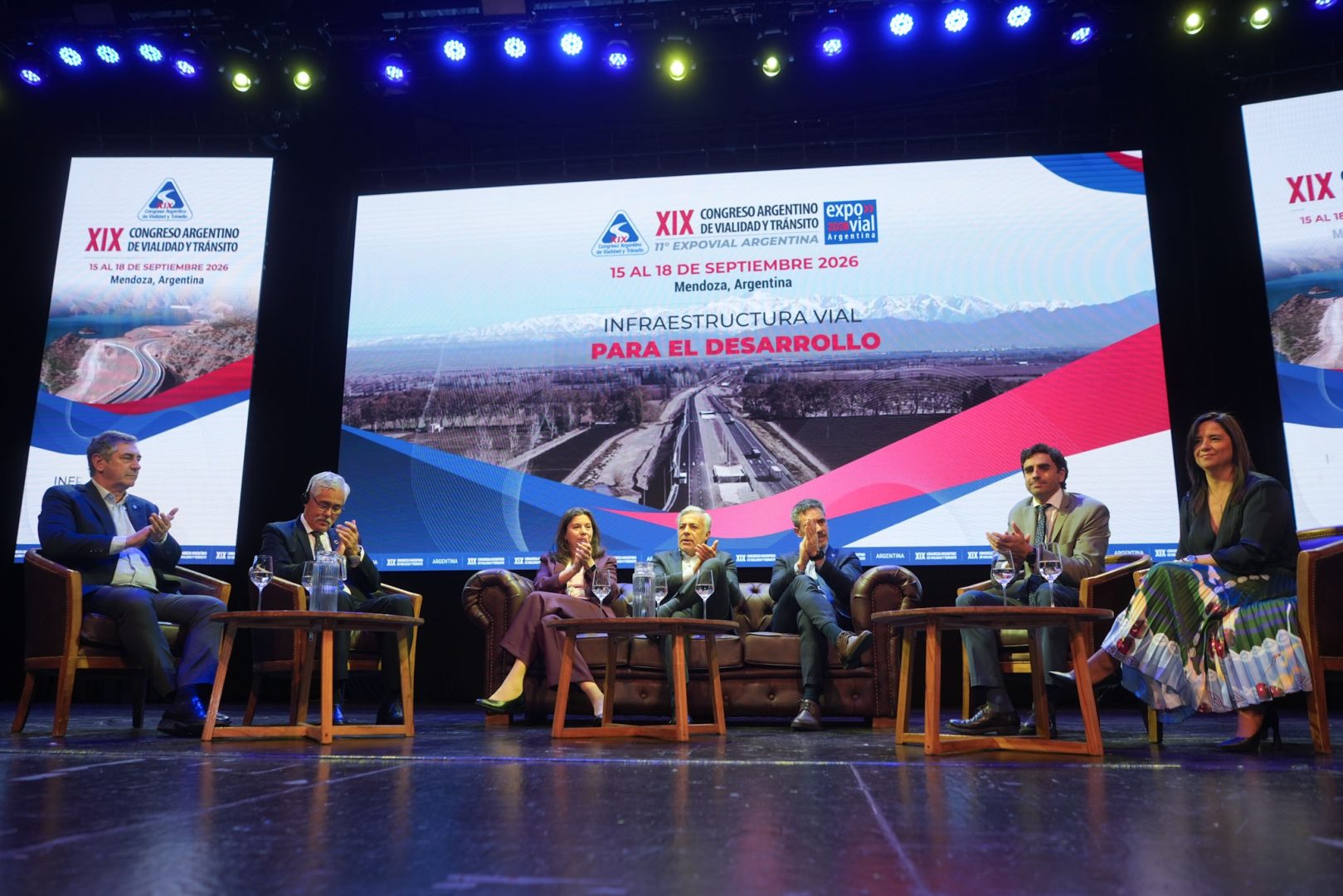
The International Road Federation (IRF Global) concluded the 7th IRF Latin America Regional Congress & Exhibition in Mendoza, Argentina, bringing together more than 1,000 delegates from across Latin America and beyond for four days of high-level dialogue, technical exchange, innovation, and collaboration on the future of roads and mobility.

The International Road Federation (IRF Global), in partnership with the Nigerian Institution of Highway and Transportation Engineers (NIHTE), delivered its IRF Certified Training on “AI Applications for Road Management” in Abuja from August 10–13, 2026.

The International Road Federation (IRF Global) has successfully concluded the 13th IRF Caribbean Regional Congress, bringing together government leaders, road agencies, engineers, development partners, researchers, and industry professionals from across the Caribbean and beyond for four days of technical exchange, strategic dialogue, and regional collaboration.